























“The absolute best protein powder
ever! Tastes like vanilla ice cream!”

“I can’t get enough of this
snickerdoodle flavor!! The best
protein powder I’ve had!”

“So good! If Hawai had a flavor it’d be
this!”

“So creamy and smooth, you can taste
both the strawberry and cheesecake!”

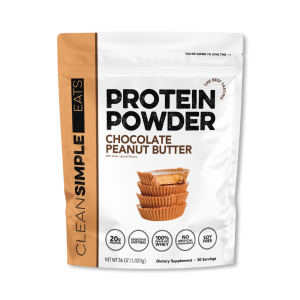
“True to its name, it tastes like
chocolate peanut butter cup heaven!”

“This is the new standard of chocolate-
flavored protein! It’s as smooth as can
be, and tastes so good!”
The human body is in a constant state of flux. From the microscopic level of DNA synthesis to the macroscopic level of muscle contraction, every action requires a foundational building block. At the heart of this biological construction site lies protein. While whole foods are the traditional source of this macronutrient, the evolution of nutritional science has introduced protein powder as a highly efficient, bioavailable tool for maintaining physiological equilibrium.
The Mechanism of Synthesis
To understand why this concentrated form of nutrition is effective, one must first look at the process of muscle protein synthesis (MPS). When we engage in physical exertion, we create micro-tears in our muscular tissues. The body responds to this stress by seeking out amino acids—the building blocks of protein—to patch these tears, making the fibers stronger than they were before.
The primary advantage of a powdered supplement is the speed of gastric emptying. Unlike a dense piece of meat which requires hours of mechanical and chemical digestion, a liquid-based protein source can be processed much faster. This rapid delivery of amino acids creates a “leucinaemia” effect, where a sharp rise in blood amino acid levels triggers the body’s anabolic pathways more effectively than slow-digesting alternatives.
Beyond the Gym: Systemic Benefits
While often associated with weightlifting, the utility of this supplement extends far beyond the locker room. Protein is a prerequisite for:
Enzymatic Function: Almost all enzymes, which catalyze thousands of chemical reactions in the body, are proteins.
Immune Response: Immunoglobulins, the antibodies that defend against pathogens, are constructed from amino acids.
Hormonal Balance: Many hormones are peptide-based, meaning they require consistent protein intake to remain at optimal levels.
By integrating a convenient source of high-quality amino acids into a daily routine, individuals can ensure that their biological systems have the “raw materials” necessary to function at peak efficiency, regardless of their activity level.